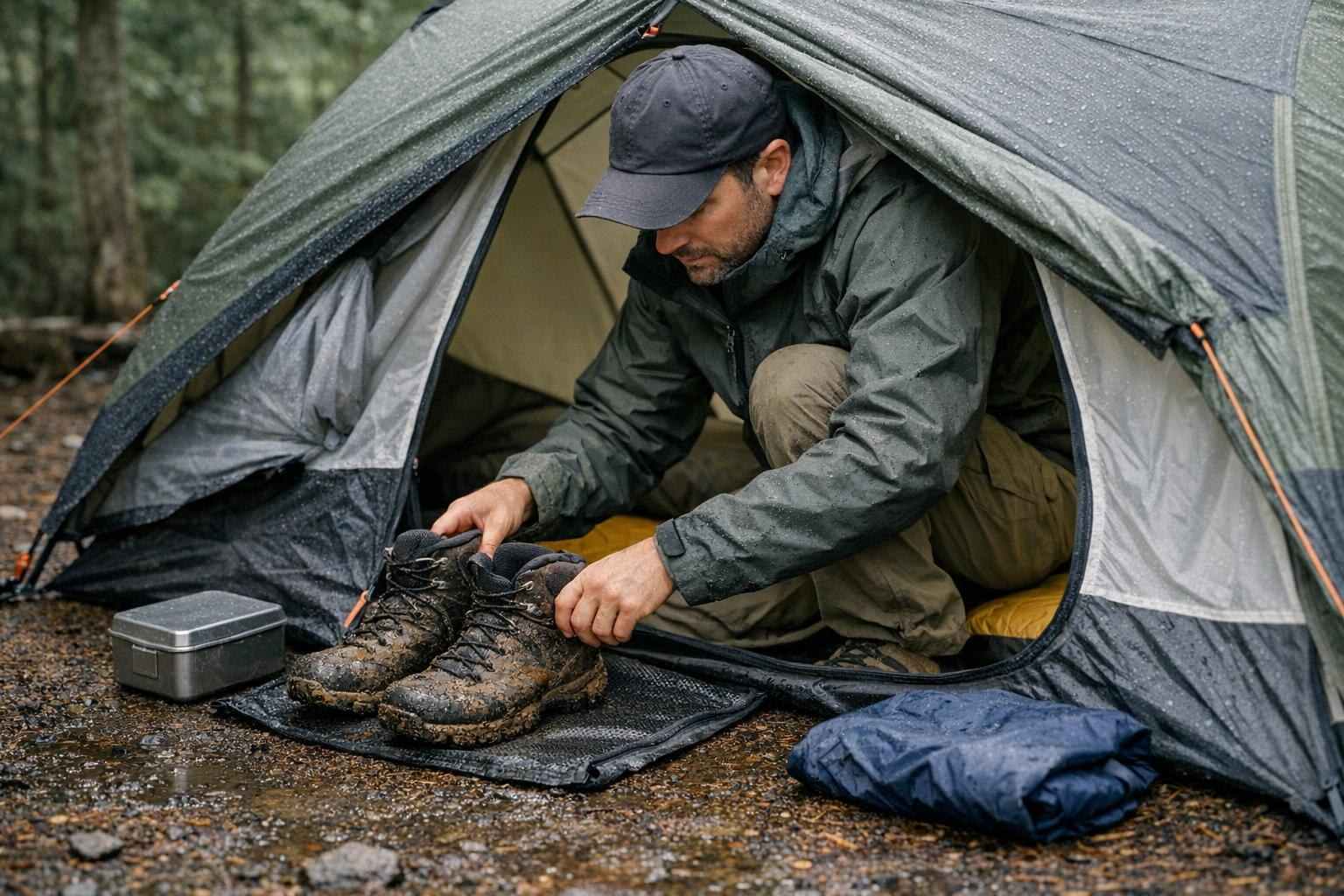
Organizing a Small Campsite Without Leaving Equipment Underfoot
In no time a small campsite can become a cluttered mess. The rain jacket from the car is carelessly tossed near the tent entrance. Cooking equipment is spread out all over the ground. Shoes are scattered about blocking access to the sleeping area. In addition to looking untidy, such loose camping gear can soon become soggy, get in the way and be forgotten on the day of departure. So organization of a campsite involves setting up the best access routes and trying to keep items visible while also being protected from the weather as much as possible. You don't need to bring any extra storage space with you. Start with the walking route, not the storage container Identify your main routes first and set up the storage to surround these areas. Start by unpacking along the entrance route to the tent and then the paths to the cooking area and…
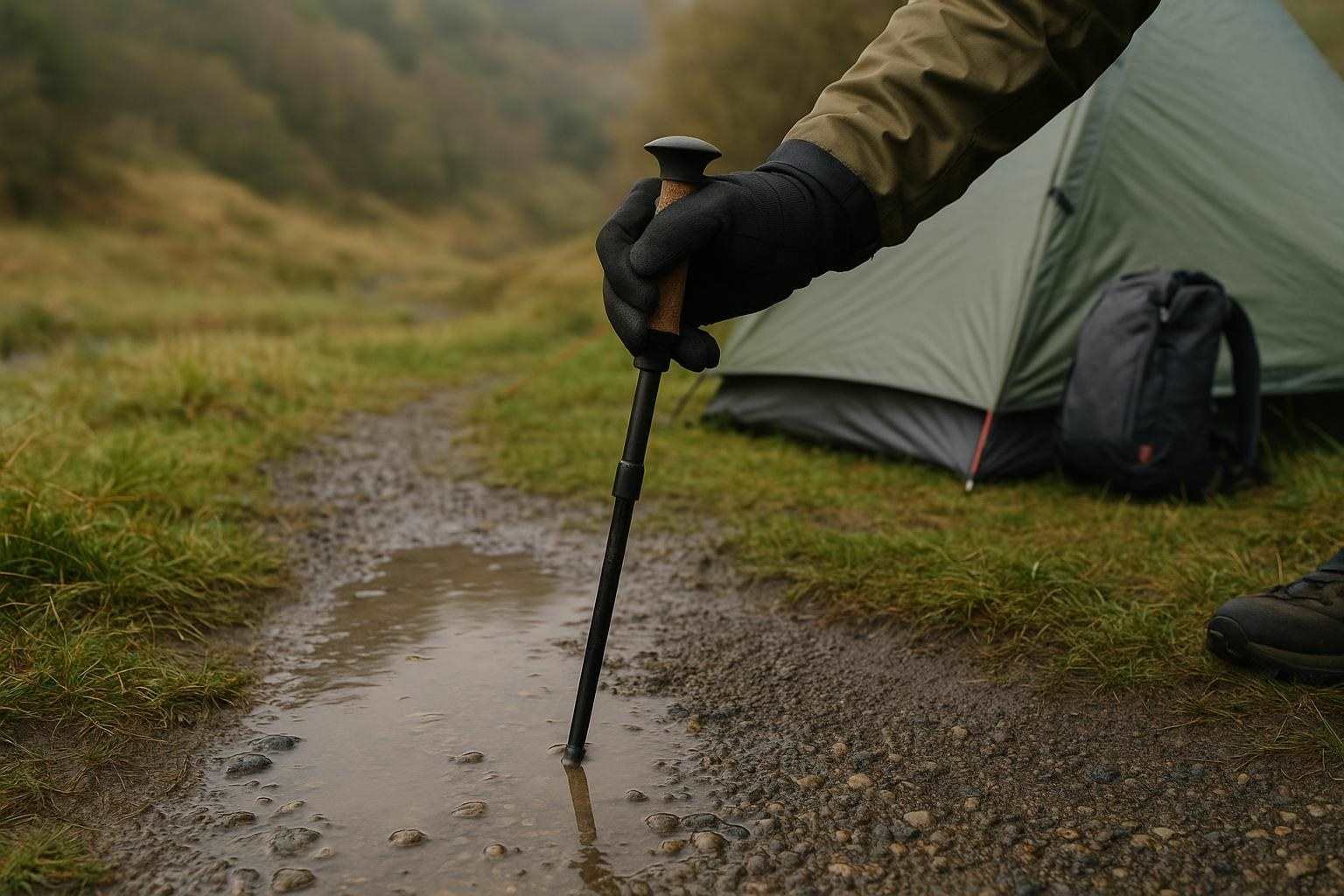
When Rain Changes the Campsite: A Practical Check Before You Set Up
Assessing Your Campsite: Navigating the Post-Rain Challenge Rain can change what looks like a place to camp into a risky situation. A tent that keeps you dry inside does not mean you are safe once you go outside. After rain the ground might not be stable the way in might be hard to walk and places where water flows might fill up fast. It is important to check the campsite before you start taking things out. This is not to keep your group safe but also to reduce any damage to the wet area. The goal is not to find a dry place but to see if the campsite and the paths are still okay. Inspect Before You Enter As you get closer to the place you want to camp watch for signs that the weather has changed. Look for things like water that has collected on the path new…
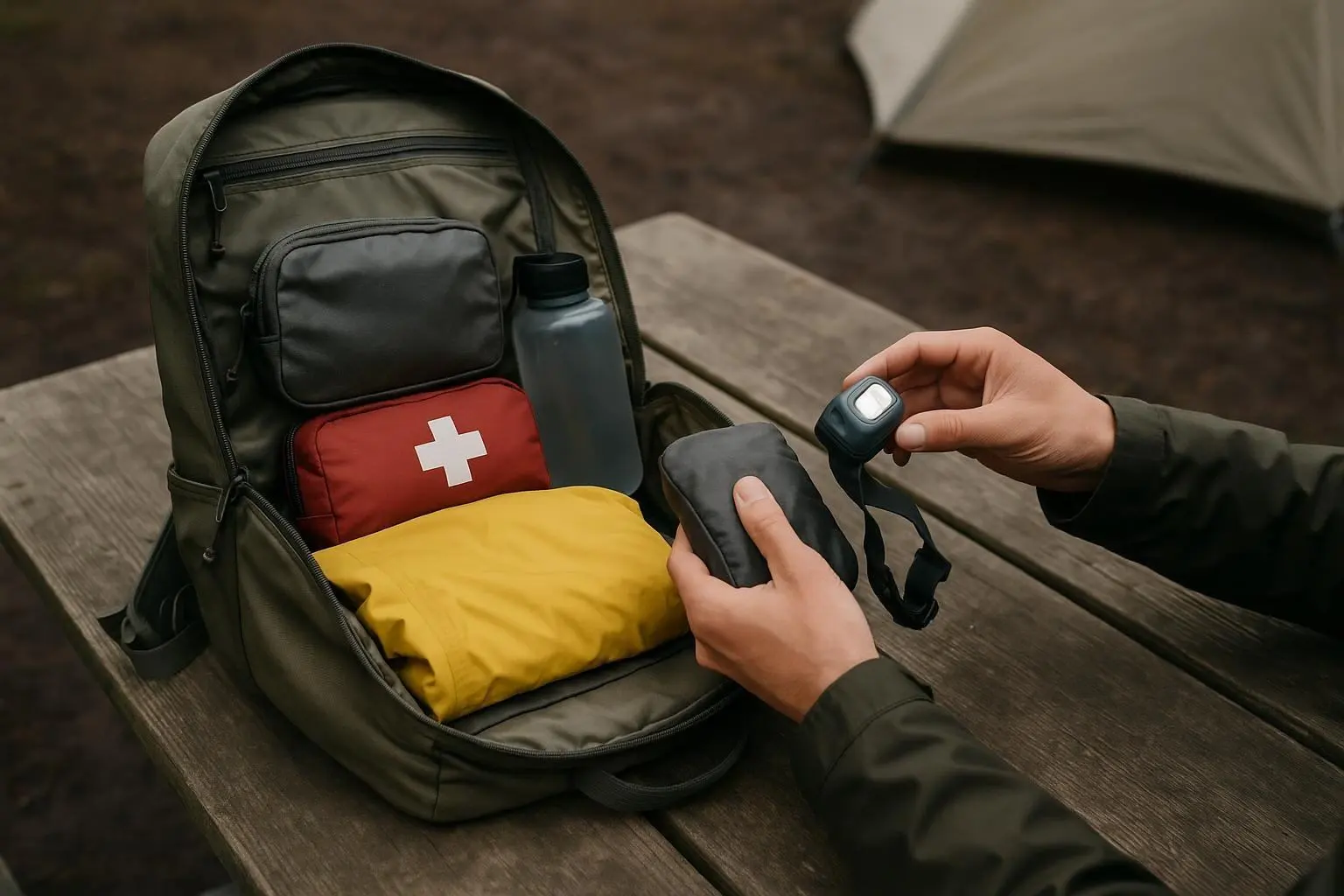
A Practical Packing System for Short Outdoor Adventures: The Details That Matter Most
A short trip does not automatically mean a simple trip. A few hours outdoors can become complicated when rain, fading light or blocked access changes the plan. A better system matches each item to the route, forecast, skills and consequences of delay. The result is lighter packing, faster checks and fewer preventable problems without turning a modest outing into an expedition. Start with the conditions, not the bag Define the outing before choosing equipment: where you will park or leave public transport, how far you may travel from help, what the surface is like and when you must turn back. A short walk near an accessible road has different needs from a brief camp reached by a rough track. Distance alone is a poor measure of risk. Check a reliable official forecast for changes in wind, rain, temperature and visibility, not just one headline number. Confirm access notices, closures, fire…